How to Crochet the Esther Seamed Beanie
Crochet a cosy ribbed beanie worked sideways and back and forth in rows. The fabric is created with half treble crochet worked into the horizontal bar, combined with back-loop double crochet at the crown edge to create shaping and texture.
Once the rectangle reaches the required measurement, the top edge is gathered, the seam is sewn and the cuff is turned back to complete the beanie.
Project: Seamed Beanie
Pattern: P173
Craft type: Crochet
Difficulty: Easy Crochet
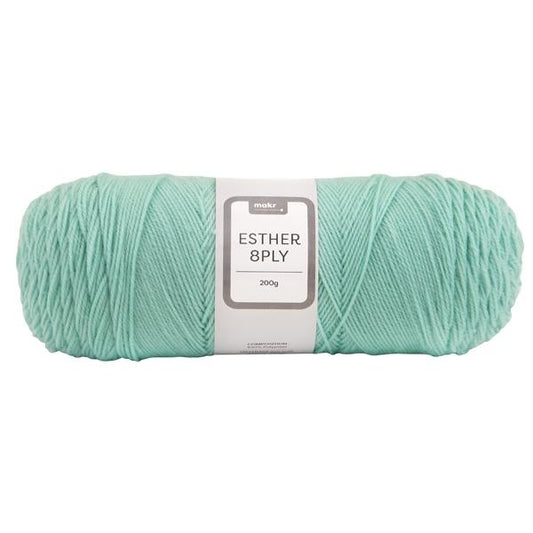
Whether you’re new to crocheting or want something simple to work up, this beanie is astonishingly easy. Once you get the rhythm of the half treble crochet rib, you’ll have a beanie in no time. Each ball of Esther makes two Adult’s beanies.
Measurements
| Size | 2-4 years | 5-7 years | 8-10 years | Adult’s |
|---|---|---|---|---|
| To Fit Head Up To | 52 | 53 | 55 | 57 |
| Beanie Measures | 46 | 47 | 49 | 51 |
Yarn Required
| Yarn | 2-4 years | 5-7 years | 8-10 years | Adult’s |
|---|---|---|---|---|
| Esther 8ply 200g balls | 1 | 1 | 1 | 1 |
Crochet Hook & Equipment
- A 4.50mm hook.
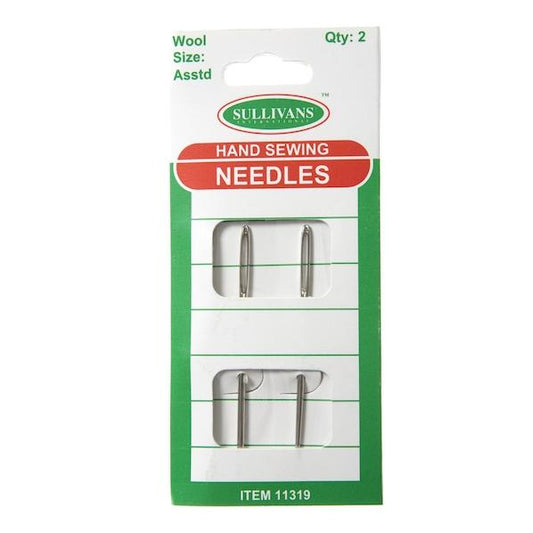
- Wool needle for sewing in ends.
Tension
18 dc and 20 rows to 10cm over double crochet, using 4.50mm hook.
Crochet Abbreviations
- ch: chain
- dc: double crochet
- dc2tog: double crochet two stitches together
- dcblo: double crochet in the back loop only
- YO: yarn over
- tr: treble crochet
- htr: half treble crochet
BEANIE
Stitch Pattern:
Please note that this hat is worked sideways and back and forth in rows.
Ch 44 (46 - 48 - 52)
Foundation Row: htr into the 3rd ch from the hook. htr in each ch to the last 6 sts, dc in final 6 sts turn.
Row 1: Ch1, dcblo in each of next 6 sts, *htr in the horizontal bar created below the loops normally worked in the previous row ie. ins the hook into the space and then between the chs and bar, repeat from * to end of row, turn.
Row 2: Ch2 (does not count as htr), htr in horizontal bar created below st in previous row in each of next 50htr, dcblo in the next 6 sts, turn.
Repeat Rows 1 & 2 until piece measures 46 (47 - 49 - 51) cm from the beginning when slightly stretched.
Fasten off and weave end through the last dcblo of each row along the top edge and pull together tightly. Sew seam together, weave in all ends and turn back cuff.
ITEM A: Ribbed Stitch Detail (See PDF Document)
The original pattern includes a close-up reference image showing the ribbed stitch texture created by the half treble crochet and back-loop double crochet construction.
Alternative Yarns
The original pattern uses Esther 8ply yarn. When choosing an alternative yarn, select an 8ply or equivalent yarn that can achieve the original tension of 18 dc and 20 rows to 10cm over double crochet using a 4.50mm hook.
Suitable Yarn Types
- 8ply acrylic yarn – an easy-care option with good durability and colour availability.
- 8ply wool blend – provides warmth, softness and useful elasticity for a fitted beanie.
- Machine-washable 8ply wool – suitable for a warm beanie with the benefits of a natural fibre.
- 8ply merino blend – creates a soft, warm fabric suitable for wearing close to the skin.
- 8ply recycled fibre blend – may be suitable provided the required tension and stretch can be matched.
Customisation Ideas
- Use a solid neutral shade for a classic everyday beanie.
- Choose a bright colour to turn the simple ribbed texture into a statement accessory.
- Use a self-striping yarn to create horizontal colour changes across the sideways construction.
- Add a pom pom to the gathered crown after finishing.
- Use a contrasting cuff by changing yarn colour for the final section of the sideways fabric.
- Adjust the turned cuff when wearing to create a deeper or shallower fold without changing the original pattern construction.
To retain the original sizing, keep the foundation chain counts and finished measurements unchanged when making colour or decorative customisations.
Care Instructions
Follow the washing and care instructions provided on the ball band of the yarn used.
- Weave in all ends securely before washing.
- Wash using the method and temperature recommended for the selected yarn.
- Avoid excessive agitation when using wool or fibres prone to felting.
- Gently reshape the beanie after washing.
- Lay flat to dry where appropriate to help maintain the ribbed structure.
- Allow the beanie to dry completely before folding back the cuff for storage.