How to Knit a Crystal Bolero
Create a soft and stylish Crystal Bolero using Makr Crystal Yarn. This easy knit design is made from two simple rectangle pieces, similar to two knitted scarves, which are joined together to create a sculptural and contoured garment.
The bolero is worked in a K1/P1 rib stitch, allowing the fabric to stretch and drape beautifully when worn. The design is one size and generously sized to fit a range of body shapes.
Project: Crystal Bolero
Pattern: #P323
Craft type: Knitting
Difficulty: Easy Knit
Yarn: Makr Crystal Yarn
Project Details
This bolero is created by knitting two rectangle lengths and joining them together. The rectangle pieces are joined along the scarf lengths while leaving spaces for armholes.
The cast-off edges are seamed together and the cast-on edges are joined together, creating the front drape and sculptural shape of the garment.
Measurements
One Size
- Chest Width: 65–70cm
- Body Length (Front): 60–70cm
Yarn Requirements
Makr Crystal Yarn – 250g balls
- 3 balls
Needles and Equipment
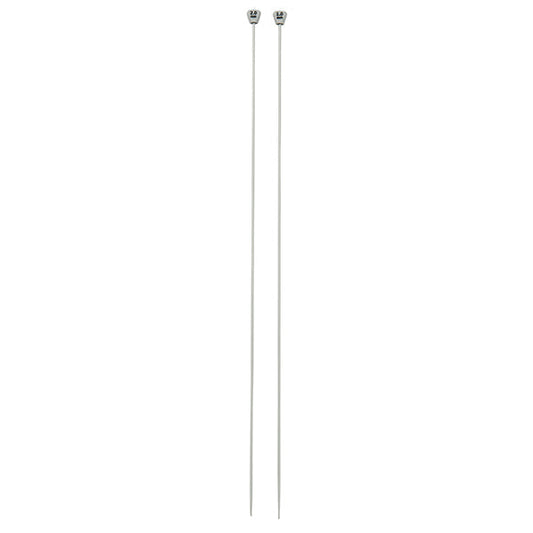
- 8mm knitting needles, 35cm length
- Wool needle for sewing in ends
Tension
18 stitches × 13 rows in K1/P1 rib using 8mm needles = 10cm × 10cm
Knitting Abbreviations
- K: Knit
- P: Purl
- St(s): Stitch(es)
Technique Explanation
K1/P1 Rib Stitch
Knit one stitch followed by purl one stitch across the row. Continue this sequence to create a stretchy rib texture suitable for garments.
Joining Rectangle Pieces
The bolero is created from two identical rectangles. Carefully align the pieces before sewing to ensure the armholes and front opening sit evenly.
Full Knitting Instructions
Body Pieces – Make 2
Using 8mm knitting needles:
Cast on 46 stitches using the rib stitch cast-on method.
Rib Stitch Cast-On
Starting with the needle in front of the stitch, then the next cast-on stitch with the needle behind the stitch, alternate this method throughout the cast-on edge.
Rows 1–150
Work K1/P1 rib stitch.
Cast off in rib stitch (K1/P1).
Finishing
- Make sure both rectangle pieces are the same size.
- Place the two rectangles one on top of the other.
- Join the cast-on edges together.
- Count 40 rows from each rectangle to create the first armhole opening.
- Starting after the 40 rows, sew 70 stitches of the two rectangles together to form the back seam.
- Leave the next 40 rows open to create the second armhole.
- Join the cast-off edges together.
- Darn in all loose ends neatly.
Helpful Tips
- Check your tension before starting to ensure the finished bolero reaches the correct measurements.
- Knit both rectangle pieces to exactly the same size for easier assembly.
- Use mattress stitch or a neat invisible seam when joining pieces.
- Avoid pulling seams too tightly, as the rib stitch needs room to stretch.
- Block the finished pieces before sewing together for a smoother finish.
Pattern Notes
- This pattern is written in British English.
- All measurements are provided in centimetres.
- For conversion from centimetres to inches, divide by 2.5.
- Knitting terms may differ between British and American patterns.
- Yarn quantities are approximate and may vary depending on knitting style and tension.